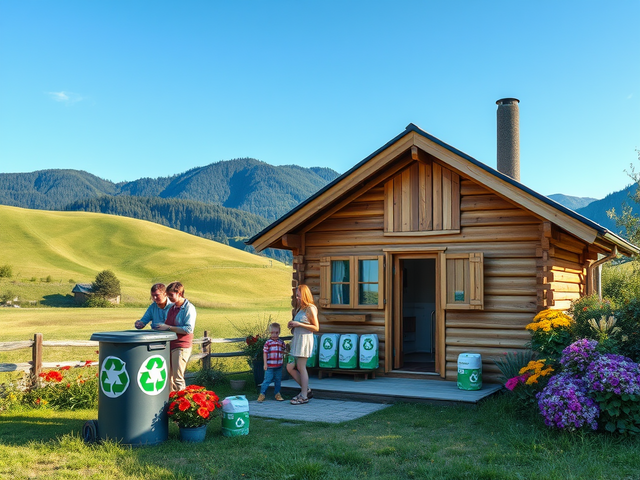
Austria Launches Bottle and Can Deposit Return System: What You Need to Know Austria has entered a new era of recycling. Since January 1, 2025, the country has introduced a deposit return system for bottles and cans, aiming to reduce waste and encourage reuse. Topics: News, Economy.
Austria Launches Bottle and Can Deposit Return System: What You Need to Know ♻️
Austria Launches Bottle and Can Deposit Return System: What You Need to Know ♻️ Austria has entered a new era of recycling! Since January 1, 2025, the country’s deposit return system for bottles and cans has been up and running, designed to cut down waste and push for material reuse. ♻️ How does it work, and what does it mean for you? Let’s break it down! A deposit for the future: Austria rolls out its bottle return scheme 🇦🇹 Austria has launched a major circular economy project — a deposit system for single-use plastic bottles and metal cans. The goal is simple: less trash, more recycling. Right now, around 25 million deposit-labeled containers are in circulation, and the good news is that over a million have already been returned! 🥳 A survey shows that 80% of Austrians support the initiative, seeing it as a real step toward protecting the environment. And it’s not just talk — for every container you bring back, you get 25 cents back. 💰
How does the deposit return system work? 🤔
Since January 1, 2025, all single-use plastic bottles and metal cans with a capacity between 0.1 and 3 liters must carry a special symbol indicating they are returnable. That’s right — no tricks!
Key points: ✅ Mandatory labeling: All bottles and cans with the deposit symbol can be returned. 💰 25-cent deposit: Refunded when you return the container. 📍 Wide return network: Over 11,400 collection points across the country. 🎯 90%回收 target: By 2027, Austria aims to hit a 90% return rate, meeting EU standards. Step 1: Look for the label 🔎 Check bottles and cans for the special symbol. If it’s there, a deposit has been paid on the container — and you can get it back. Step 2: Return your containers ♻️ You can drop off your containers at more than 11,400 return points, including around 6,000 reverse vending machines. It’s convenient and easy! What can you return? 📦 The deposit system covers:
🥤 Plastic drink bottles (0.1 to 3 liters)
🥫 Metal drink cans (0.1 to 3 liters)
Exceptions ⛔ It’s important to know what’s excluded. Dairy products and certain drinks are not yet part of the system. Also, pay attention to the rules for returning containers bought at restaurants or online. Where to find return points? 📍 Austria has set up a wide network of return points. You’ll find them in supermarkets, shops, and other retail locations. Many are equipped with reverse vending machines that make the process quick and simple. First results and outlook 📈 Even though the system just launched, the first results are in: over a million containers were returned in the first seven weeks! 🥳 That shows Austrians are getting behind the new initiative. Of course, there have been a few hiccups.
Sometimes people try to return containers that aren’t eligible. But overall, the system is running smoothly thanks to the efforts of retail workers and preparation by the Chamber of Commerce. Environmental impact 🌳 The main goal of the deposit return system is to reduce waste and boost recycling rates. This is a big step toward sustainability and protecting the environment. The 25-cent deposit (Pfand) per container helps prevent litter and encourages material recycling. For more details on Austria’s environmental policies, check out our article “How to Sort Trash in Austria: A Detailed Guide.” Conclusion Austria has taken an important step toward a greener future by introducing the deposit return system. It won’t just help cut waste — it’ll also raise awareness about recycling. If each of us does our part, we can make our planet cleaner and healthier! 🌍 If you found this article useful, share it with your friends! 📢
Stay Up to Date with the Latest Austrian News
The week's top stories — news, guides, and insights about life in Austria. Every Sunday in your inbox.