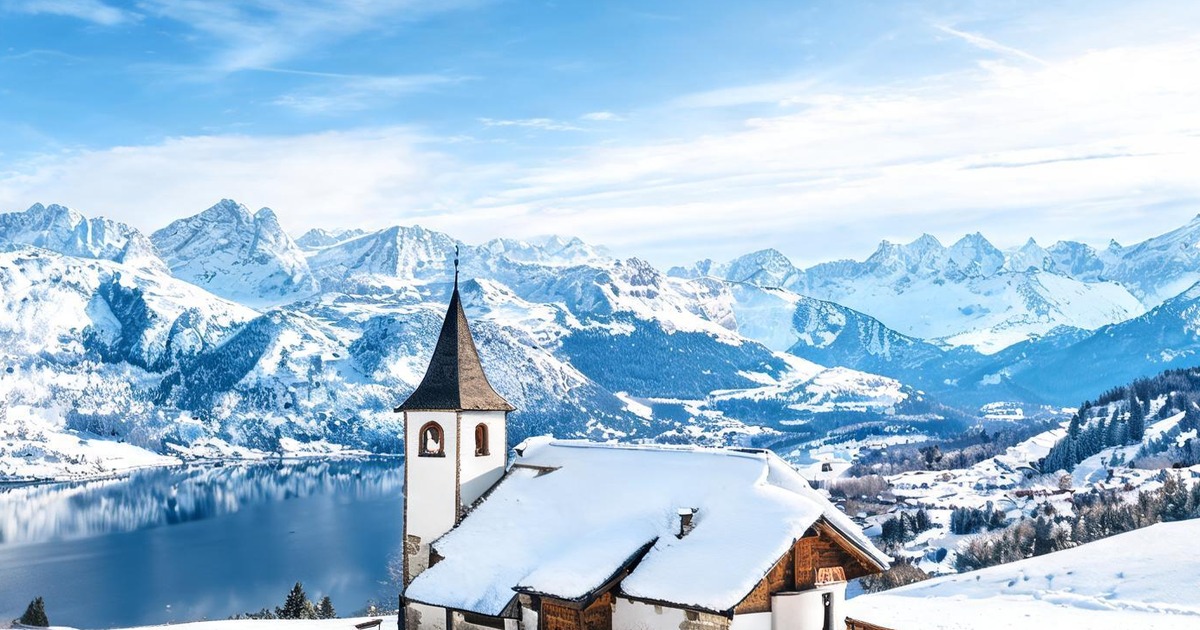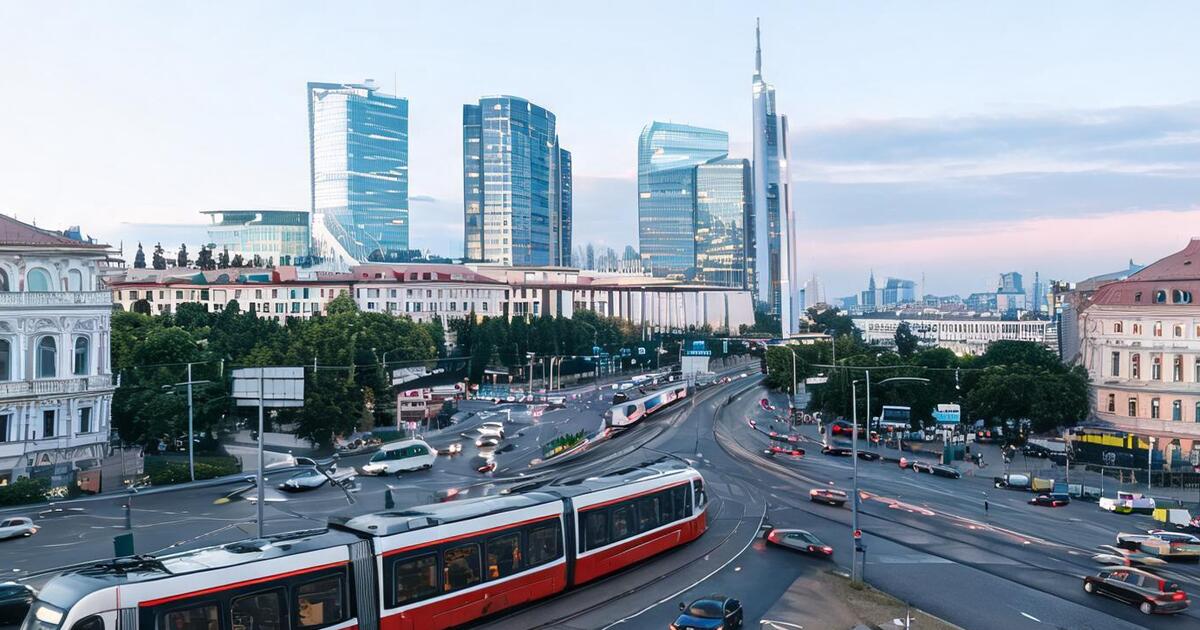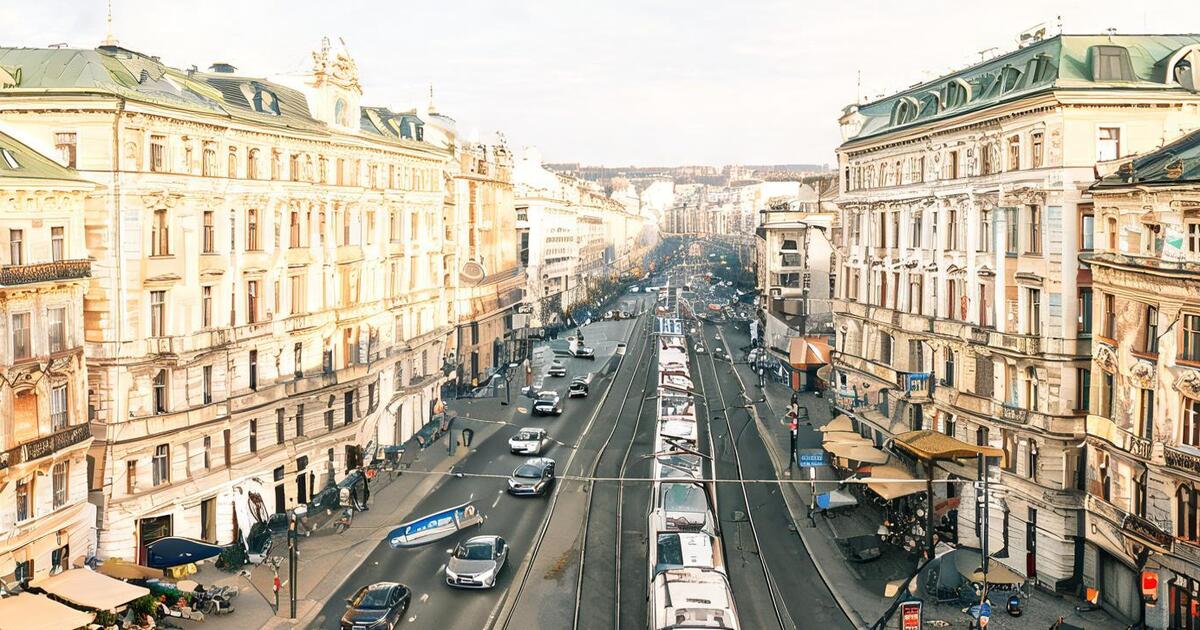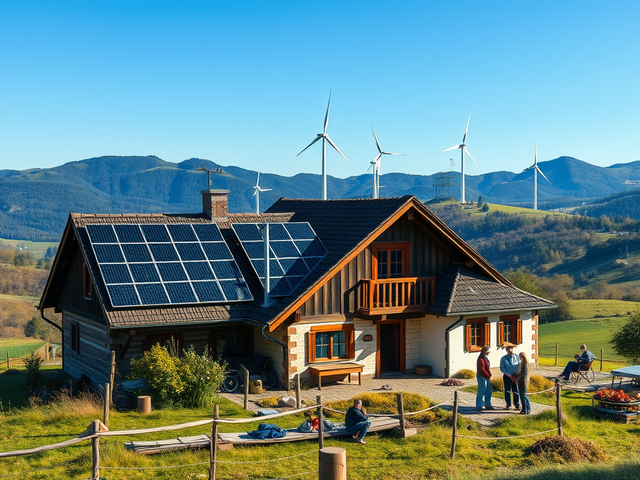
Austria Braces for the 2025 Energy Crisis: What Lies Ahead for Citizens and Businesses 'Austria Braces for the 2025 Energy Crisis: What Lies Ahead for Citizens and Businesses Introduction: Austria, known for its high living standards and scenic landscapes , is facing new economic challenges. The government has adopted a series of measures to cushion the impact of high energy prices... Topics: Daily Life, Transport.
Austria Braces for the 2025 Energy Crisis: What Lies Ahead for Citizens and Businesses 💡
Austria Braces for the 2025 Energy Crisis: What Lies Ahead for Citizens and Businesses 💡 Introduction: Austria, known for its high living standards and scenic landscapes 🏞️, is facing new economic challenges. The government has adopted a series of measures to cushion the impact of high energy prices on households and businesses, allocating a total of around €32.7 billion. But what awaits Austrians, especially as 2025 approaches? Let’s take a closer look at what changes are coming and how to prepare. It’s worth noting that energy and finance are key to understanding the country’s economic situation. How is Austria coping with rising energy prices? 🇦🇹 In recent years, Austria has been actively fighting the effects of rising energy costs. The government has rolled out several initiatives to help citizens and businesses manage financial strain. Key support measures: Electricity price cap: ⚡ A price limit was set for 80% of average household electricity consumption. This allowed households to save around €500 per year on average. Anti-inflation package worth €28.7 billion: 💰 This package included a wide range of measures targeting different segments of the population, such as: Abolishing “cold progression” (automatic tax bracket creep). Indexing social benefits. Reducing payroll taxes. One-off payments for vulnerable groups. Additional family benefits. Support for energy-intensive companies: 🏭 Businesses whose energy costs exceeded certain thresholds could receive government subsidies.
These measures were aimed at improving living conditions and maintaining economic stability in the country. Is an energy crisis coming in 2025? 🗓️ Despite the steps taken, Austria faces a sharp rise in energy prices starting January 1, 2025. WKO (Austrian Economic Chamber) President Doris Hummer warns of serious consequences from the expiration of temporary economic measures introduced in 2023-2024. Factors driving price increases: Restoration of taxes and levies: 📈 After the temporary relief expires, various taxes and levies are set to be reinstated, including environmental taxes and electricity and gas tariffs. Financial pressure on businesses: 💼 Companies, especially small and medium-sized enterprises, will face serious financial difficulties due to rising energy costs. Doris Hummer is calling for the development of long-term support measures and a reliable energy policy to maintain the competitiveness and stability of Austria’s economy. Current electricity prices in Austria 📊 According to the Green Electricity Act (Ökostromgesetz), in the first quarter of 2025, the average electricity price is €97.30 per megawatt-hour (MWh), which equals 9.73 cents per kilowatt-hour (kWh). This price is calculated based on data from the European Energy Exchange. How are prices calculated? Changes in the law have led to new methods for calculating the market price. A daily weighted average price is now used to set upper and lower limits for price compensation.
Updated information is available on the Ministry of the Environment’s website. Other important news from Austria and the world 🌍 Beyond the energy situation, it’s important to keep an eye on other developments in Austria and globally that could affect the economy and people’s lives. Key topics: Politics: 🏛️ Discussion of the political climate in Austria and abroad, including the upcoming elections in Germany. Economy: 💸 The threat of 25% tariffs on the German auto industry, bankruptcies of major companies. Sports: ⚽ Political tensions within the Austrian Football Association. International affairs: 🌍 Migration issues, the situation in Ukraine, charges against former Brazilian President Bolsonaro. Conclusion The energy situation in Austria remains tense. Despite the measures taken by the government, the sharp rise in energy prices in 2025 could have a significant impact on households and businesses. It’s important to stay informed and take steps to optimize energy consumption and reduce costs. Long-term energy policy and business support remain key factors in ensuring the stability and competitiveness of the Austrian economy. What support measures do you think would be most effective in this situation? 🤔 Conclusion If you found this article useful, share it with your friends! 📢
Stay Up to Date with the Latest Austrian News
The week's top stories — news, guides, and insights about life in Austria. Every Sunday in your inbox.