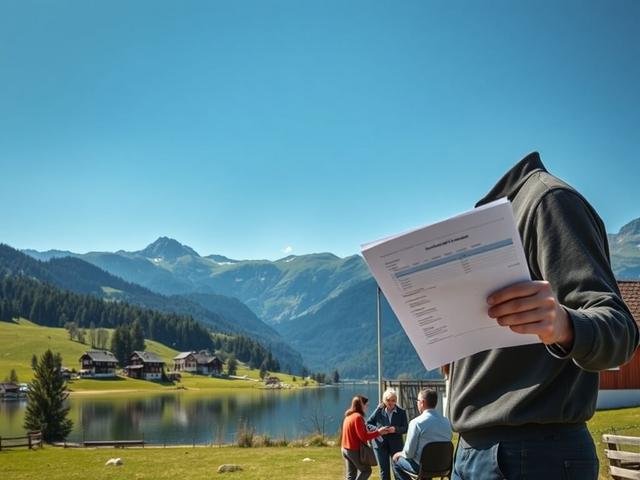
Austriaʼs Budget Deficit: How Serious Is It Really? 'Austriaʼs national budget, much like the weather in the Alps, can be unpredictable. More and more experts are sounding the alarm about the growing deficit. But how big is this problem really, and how might it affect life in Austria? Letʼs break it down! What is a budget deficit and why does it... Topics: Work, Labor Market.
Austriaʼs Budget Deficit: How Serious Is It Really?
Austriaʼs national budget, much like the weather in the Alps, can be unpredictable. 🏔️ More and more experts are sounding the alarm about the growing deficit. But how big is this problem really, and how might it affect life in Austria? 🤔 Letʼs break it down!
What is a budget deficit and why does it matter? 💸
A budget deficit happens when the government spends more money than it collects from taxes and other revenue. Itʼs like spending more than you earn — sooner or later you have to borrow. On a national scale this can lead to growing public debt, higher taxes, or cuts to government spending. 📉
Why is Austriaʼs budget deficit a concern? 🇦🇹
In recent years Austriaʼs budget situation has become a hot topic. Experts and analysts are voicing concerns over the growing deficit and its possible consequences for the countryʼs economy. 🗣️
Economic consequences
A budget deficit can trigger a number of economic issues, including:
- Growing public debt: When the government spends more than it earns, itʼs forced to borrow, adding to the national debt.
- Higher taxes: To cover the deficit the government may raise taxes, which can eat into household incomes and hurt business competitiveness.
- Cuts to public spending: Instead of raising taxes the government may slash spending, which could lower the quality of public services like education and healthcare. 🏥
Social consequences
The economic fallout from a budget deficit also has a social side:
- Rising unemployment: Spending cuts and tax hikes can lead to job losses and higher unemployment.
- Lower living standards: Higher taxes and fewer public services can reduce peopleʼs quality of life.
- Social tension: Economic hardship can fuel social unrest, protests, and even riots. 😠
Factors that influence the budget deficit 📊
Several factors can drive the deficit higher:
- Economic downturn: During a recession government income typically falls because fewer people are working and paying taxes.
- Emergencies: Unexpected events like pandemics or natural disasters force the government to spend heavily, widening the deficit.
- Political will: Government decisions on spending and taxes also play a big role.
How does the Austrian government plan to tackle the problem? 🤔
The Austrian government is taking various steps to address the budget deficit:
- Cutting public spending: The government is trying to reduce spending to bring the deficit down.
- Raising taxes: Itʼs also looking at tax increases to boost revenue.
- Economic reforms: A series of economic reforms aimed at stimulating growth and increasing budget revenue are in the pipeline. 💼
How will this affect you? 🤷♀️
The consequences of the deficit could touch every resident of Austria. If the government raises taxes, youʼll have less money in your pocket. If public spending is cut, it could show up in the quality of education, healthcare, and other services. Itʼs worth staying informed about the news and understanding how the decisions being made might affect your life.
What do the experts say? 🗣️
Experts are divided on just how serious Austriaʼs budget deficit is and what should be done about it. Some believe the government should focus on cutting spending, while others argue for higher taxes. There are also those who say deeper economic reforms are needed.
As an article on ots.at points out, itʼs important that the authorities pay attention to these issues and develop a strategy to address them. According to Kurier, the government has announced new support measures that could actually make the deficit worse. Meanwhile, Die Presse reports that structural budget reforms are being discussed — measures that could help in the long run.
Conclusion and takeaways
The budget deficit is a complex problem that calls for balanced decisions. Itʼs crucial that the government listens to experts and takes steps that not only reduce the deficit but also protect peopleʼs quality of life. The future of Austriaʼs economy depends heavily on how this challenge is handled. 🇦🇹
If you found this article useful, share it with your friends! 📢 Subscribe to our blog so you donʼt miss new articles about life in Austria! 📨
Stay Up to Date with the Latest Austrian News
The week's top stories — news, guides, and insights about life in Austria. Every Sunday in your inbox.