Climate Neutrality in Upper Austria by 2030: Reality or Myth? Austria strives to become a leader in the fight against climate change, and Upper Austria plays a key role in this process. As a region with a high concentration of industrial enterprises, achieving climate neutrality in Upper Austria by 2030 is an ambitious yet necessary goal. Can the region ma... Topics: News, Economy.
Climate Neutrality in Upper Austria by 2030: Reality or Myth?
Austria 🇦🇹 strives to become a leader in the fight against climate change, and Upper Austria plays a key role in this process. As a region with a high concentration of industrial enterprises, achieving climate neutrality in Upper Austria by 2030 is an ambitious yet necessary goal. Can the region make it, and what steps are being taken? Let’s find out! 🤔
Climate Neutrality in Upper Austria by 2030: Ambitious Goals
Upper Austria, one of Austria’s most industrially developed regions, has set itself the goal of reaching climate neutrality by 2030. This means the region aims to minimize greenhouse-gas emissions and offset remaining emissions through carbon-absorption projects, among other measures. 🌳
Current Situation and Plans
Studies show that roughly half of enterprises in Upper Austria plan to achieve climate neutrality by 2030. This indicates a high level of awareness and readiness among businesses to embrace environmental change. 💪
What Is Climate Neutrality? 🌍
Climate neutrality means that human activity has no negative impact on the Earth’s climate. It is achieved by reducing greenhouse-gas emissions and compensating for any remaining emissions.
Steps Toward Climate Neutrality
- Reducing emissions: Cutting fossil-fuel use and switching to renewable energy sources.
- Boosting energy efficiency: Optimizing energy consumption in industry, transport, and households.
- Offsetting emissions: Investing in carbon-absorption projects such as reforestation and the development of carbon-capture technologies.
The Role of Businesses in Achieving Climate Neutrality
Enterprises play a crucial role in reaching climate neutrality. They can make a significant contribution by adopting clean technologies, streamlining production processes, and transitioning to renewable energy.
Examples of Successful Initiatives
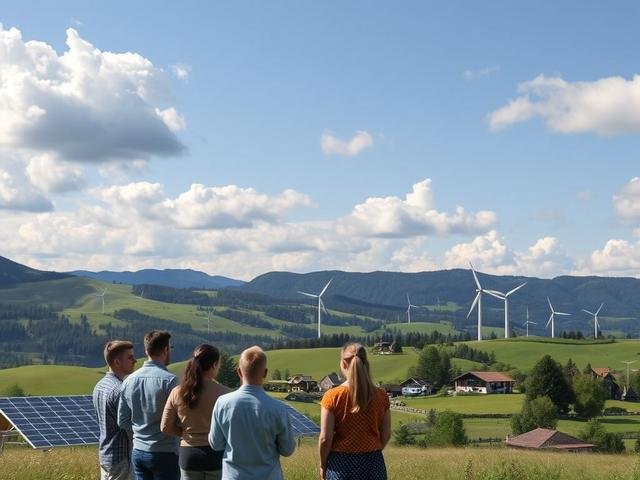
Many businesses in Upper Austria have already begun rolling out emission-reduction strategies. Companies are investing in solar panels, wind farms, and waste-recycling systems, for example. ♻️
Government Support and Initiatives
The Upper Austrian government actively supports businesses and individuals in their pursuit of climate neutrality. A range of funding programmes and advisory services are available to help implement green projects.
Financial Support
- Subsidies for installing solar panels and renewable-energy heating systems.
- Tax breaks for companies investing in clean technologies.
- Programmes supporting research and development in sustainable technologies.
Benefits of Climate Neutrality
Achieving climate neutrality not only helps protect the environment but also opens up new opportunities for economic growth and innovation.
Economic Advantages
- Creation of new jobs in the clean-technology sector.
- Reduced dependence on imported fossil fuels.
- Increased competitiveness of businesses that adopt sustainable technologies.
Challenges and Obstacles
Despite all efforts, reaching climate neutrality by 2030 remains a tough task. There are various challenges and hurdles that must be overcome.
Technological and Financial Issues
- The need to develop and deploy new technologies for cutting emissions in specific industries.
- High investment costs for clean technologies.
- A shortage of skilled specialists in sustainable technologies.
The Need for Coordination
Achieving climate neutrality requires coordinated efforts among businesses, government, and society. It is important to develop a shared strategy and create favourable conditions for collaboration.
Climate Neutrality and the Population
The move toward climate neutrality affects all residents of Upper Austria. It matters that everyone contributes to protecting the environment — for example by choosing clean transport, reducing energy consumption, and supporting sustainable products.
Conclusion
Achieving climate neutrality in Upper Austria by 2030 is an ambitious goal that demands joint effort from businesses, government, and society. Despite the challenges, the region has every chance to become a leader in the fight against climate change. It is important to keep investing in clean technologies, supporting green initiatives, and raising public awareness of the importance of environmental protection. 🌍
If you want to learn more about life in Austria and environmental initiatives, follow our blog! 📨
Stay Up to Date with the Latest Austrian News
The week's top stories — news, guides, and insights about life in Austria. Every Sunday in your inbox.