Vienna's New Modal Split: More Public Transport Vienna is showing impressive changes in its residents' transport habits. More and more Viennese are choosing public transport and bicycles over personal cars. Learn what's driving this shift and how it's transforming life in the city. Topics: Daily Life, Leisure & Culture.
Vienna’s New Modal Split: More Public Transport
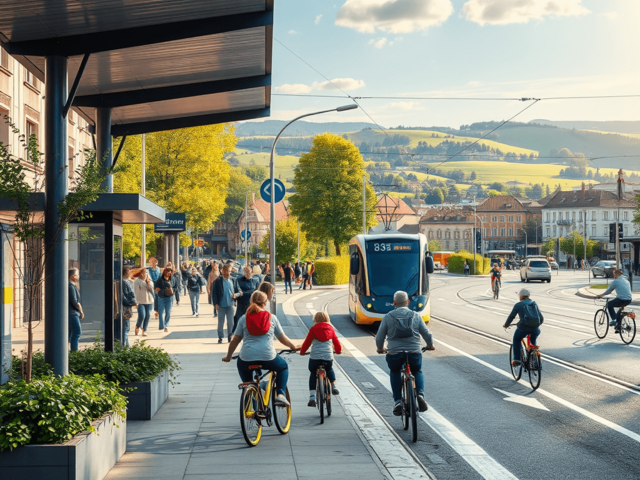
In recent years, Vienna has shown impressive changes in its residents’ transport habits. More and more Viennese are choosing public transport and bicycles over personal cars. What is behind these changes and how are they affecting life in the city? Let’s find out.
Vienna, recognized as one of the most livable cities in the world, is actively working to improve its transport infrastructure and environmental conditions. The results speak for themselves: residents are increasingly choosing eco-friendly and convenient ways to get around. This is not just a trend but part of a large-scale strategy to create a “smart” and sustainable city.
What Is Modal Split and Why Does It Matter?
Modal Split, or transport mode share, shows how people prefer to travel around a city. It is an important indicator for evaluating the effectiveness of transport policy and the sustainability of the urban environment. Vienna has seen a significant shift toward public transport and cycling, making the city greener and more livable.
Why Is Vienna’s Modal Split Changing?
The changes in Vienna’s Modal Split are driven by a range of factors:
- Development of public transport: The city is actively investing in expanding and modernizing its public transport network, making it more accessible and convenient.
- Improved cycling infrastructure: Bike lanes, parking facilities, and bike-sharing services are becoming increasingly popular among residents.
- Growing environmental awareness: More people recognize the importance of reducing emissions and are choosing eco-friendly modes of transport.
- Restrictions on personal vehicles: The introduction of paid parking, restricted traffic zones, and other measures is encouraging residents to switch to public transport.
Statistics and Facts: Vienna in Numbers
According to the latest data, the share of public transport in Vienna continues to grow. More and more residents are choosing trams, buses, and the subway for their daily commutes.
According to wien.gv.at, Vienna is actively working to improve sustainable mobility, and this is reflected in the increased use of public transport and bicycles.
Comparison with Other Cities
Vienna is one of the leaders among European cities in terms of public transport usage. It outperforms many major cities in the share of the population using trams, buses, and the subway for daily travel.
As noted in an article on derstandard.at, Vienna shows a steady trend toward reduced personal car use and an increased share of public transport.
Consequences of Changes in Modal Split
The changes in Vienna’s Modal Split have a number of positive effects:
- Reduced air pollution: Fewer cars on the road means fewer harmful emissions into the atmosphere.
- Less congestion: Public transport and bicycles take up less road space, helping to reduce traffic jams.
- Improved quality of life: Cleaner air and less congestion make the city more pleasant to live in.
- Better health: Cycling and walking contribute to improved physical health.
Plans for the Future
Vienna is not resting on its laurels and continues to develop new strategies for improving its Modal Split. Plans include expanding the public transport network, creating new bike lanes and pedestrian zones, and introducing innovative transport solutions.
More information about current research and plans for developing Vienna’s transport system can be found at ots.at.
Conclusion
The changes in Vienna’s Modal Split are the result of the city’s targeted policy to promote sustainable mobility. More and more residents are choosing public transport and bicycles, contributing to improved environmental conditions, reduced congestion, and a higher quality of life. Vienna continues to move toward becoming a “smart” and sustainable city where eco-friendly and convenient modes of transport take priority.
If you found this article helpful, share it with your friends!
Stay Up to Date with the Latest Austrian News
The week's top stories — news, guides, and insights about life in Austria. Every Sunday in your inbox.