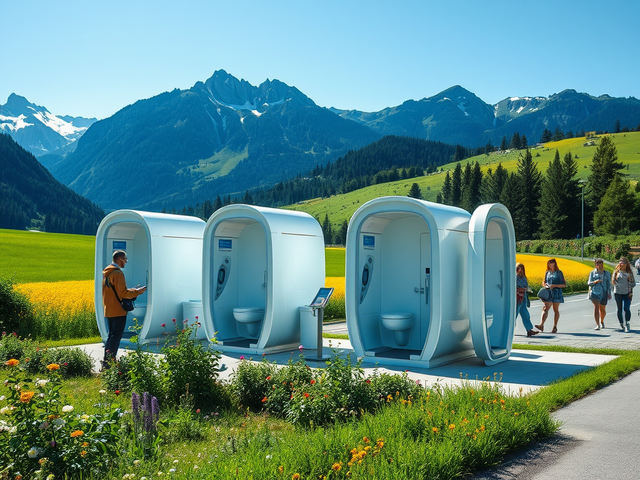
Toilet Revolution: Squat Toilets at Austrian Motorway Service Stations
Toilet Revolution: Squat Toilets at Austrian Motorway Service Stations In recent years, Austria has been experiencing interesting changes in sanitation at its motorway service stations. More and more toilets are being replaced with squat toilets, which are widely used in Asia and Africa. ASFINAG workers claim these toilets are easier to clean and more hygienic. Topics: News, Economy.
Toilet Revolution: Squat Toilets at Austrian Motorway Service Stations
In recent years, Austria has been experiencing interesting changes in sanitation at its motorway service stations. More and more toilets are being replaced with squat toilets, which are widely used in Asia and Africa. Workers at ASFINAG, the company responsible for motorway management, claim these toilets are easier to clean and more hygienic. But how do residents and tourists feel about this innovation?
What Are Squat Toilets?
Squat toilets (or tahaar) are toilets without seats that require a squatting position for use. These toilets are becoming increasingly popular in different parts of the world due to their hygiene and ease of cleaning. Unlike traditional sitting toilets, squat toilets are more resistant to vandalism, making them ideal for public places such as service stations.
Why Squat Toilets?
The trend of installing squat toilets at Austrian service stations is driven by several factors:
- Hygiene: Research shows that squat toilets can be more hygienic as they minimize contact with potentially contaminated surfaces.
- Ease of cleaning: Squat toilets typically have fewer parts, making them easier to clean and maintain.
- Vandalism resistance: These toilets are harder to damage, making them an excellent option for public spaces.
According to Elfriede Mayr from ASFINAG, toilets are cleaned an average of five times a day, regardless of type. This may explain why squat toilets are becoming the standard at Austrian service stations.
Public Reaction
Although squat toilets receive positive reviews regarding sanitation, many Austrians are unhappy with the change. Online comments range from irony to harsh criticism. One of the main concerns expressed by residents is how elderly people or those with disabilities will be able to use such toilets. According to a study by Heute, many Austrians worry that squat toilets will not meet their needs.
On the other hand, the ease of cleaning and improved hygiene remain important arguments for supporters of squat toilet adoption.
Future Plans
ASFINAG plans to continue installing squat toilets at service stations, considering the growing traffic, especially in the south of the country. While traditional sitting toilets will not disappear, they will coexist with the new installations. This decision aims to meet different user needs.
According to an article in Stern, such toilets will appear in all new ASFINAG projects. Experience from Asian countries shows that squat toilets can significantly improve sanitation levels in public facilities.
Conclusion
The revolution in the form of squat toilets at Austrian service stations raises important questions about sanitation, convenience, and accessibility for different users. While many Austrians express dissatisfaction, supporters argue that such toilets can significantly improve sanitary conditions. Over time, many people may adapt to this innovation.
Stay Up to Date with the Latest Austrian News
The week's top stories — news, guides, and insights about life in Austria. Every Sunday in your inbox.


