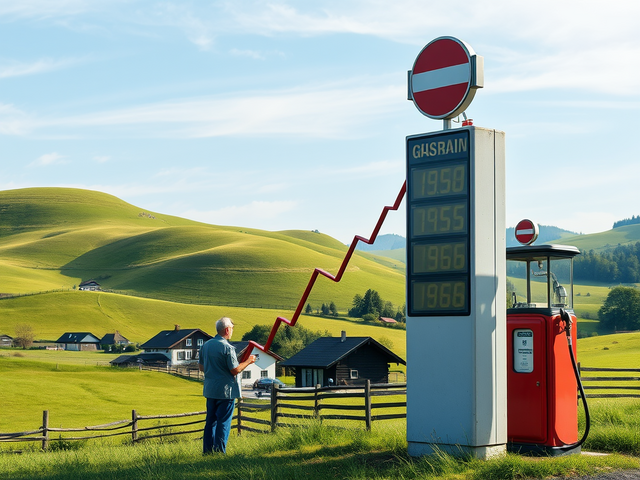
Rising Gas Prices in Austria: Causes and Consequences
Rising Gas Prices in Austria: Causes and Consequences The price of European natural gas continues to rise, putting pressure on the Austrian economy. With gas reserves rapidly depleting, many are wondering what awaits the country in the coming years. According to the latest data, gas prices in Austria have reached their highest level in two years. Topics: News, Economy.
Rising Gas Prices in Austria: Causes and Consequences
The price of European natural gas continues to rise, putting pressure on the Austrian economy. With gas reserves rapidly depleting, many are wondering what awaits the country in the coming years. According to the latest data, gas prices in Austria have reached their highest level in two years, and gas storage levels in Germany have fallen below 50%. This is causing growing concern among businesses and consumers.
Causes of Rising Gas Prices in Austria
Increased Heating Demand
With the onset of cold weather, gas consumption for heating has increased. Forecasts suggest that cold weather will continue, further exacerbating the situation. As a result, gas demand is rising while reserves are rapidly depleting. Since the beginning of December 2024, gas prices have increased by more than 40%, significantly impacting final costs for consumers and businesses.
Depletion of Gas Reserves
According to news from WKOÖ, gas reserves in Austria and across Europe continue to shrink. This is due not only to increased consumption but also to insufficient supply volumes caused by international uncertainty and logistics problems. Gas storage levels in Germany, for example, have fallen below 50%, causing even greater concern.
Economic Consequences for Businesses
With the end of subsidies introduced in 2023 and 2024, Austrian companies will face serious increases in energy costs. WKOÖ warns that this will have a negative impact on the country’s economy and could lead to significant difficulties for many enterprises. The situation requires the development of long-term solutions so that businesses can remain competitive and stable amid rising prices.
Consequences for Consumers and Businesses
Higher Gas and Electricity Bills
For ordinary Austrians, the increase in gas prices will lead to higher heating bills, making winter months less comfortable. These increased costs could affect not only household expenses but also the overall standard of living.
Pressure on Small and Medium Businesses
Small and medium enterprises in Austria will clearly feel the increase in energy and gas costs. Many are already suffering from the effects of economic instability, and rising energy prices could lead to business closures. As reported by OE24, many companies are demanding urgent measures from authorities to mitigate the negative consequences.
What to Expect in the Future?
The current situation in Austria’s gas market raises many questions about future pricing policy and gas availability. Experts warn that if prices continue to rise and reserves continue to deplete, the situation could worsen. Time may be needed to adapt to new economic conditions.
Measures That Could Help
- Long-term investment in alternative energy sources: Transitioning to renewables could reduce dependence on gas and lower the risk of price increases.
- Development of effective subsidy policies: Authorities should consider introducing new subsidies to support businesses and the population amid rising prices.
- Increasing gas reserves: Developing strategies to increase gas reserves and improve supply logistics could help avoid sharp price fluctuations.
Conclusion
Amid rising gas prices and declining reserves, the Austrian economy stands on the brink of serious challenges. Consumers and businesses are already feeling the impact, and urgent measures are needed to mitigate the consequences. Staying informed about the situation and being prepared for changes in economic policy is essential.
Stay Up to Date with the Latest Austrian News
The week's top stories — news, guides, and insights about life in Austria. Every Sunday in your inbox.


