Fuel Price Cap in Germany: How the Spritpreisbremse Mechanism Works and What It Means for Drivers Fuel price reduction in Germany has become the main topic of political debate after the introduction of the 'Spritpreisbremse' — a mechanism to cap price increases at gas stations. Within the first week, the rules limited price growth to €0.10 per litre and introduced a single daily price adju... Topics: Daily Life, Transport.
Fuel Price Cap in Germany: How the Spritpreisbremse Mechanism Works and What It Means for Drivers
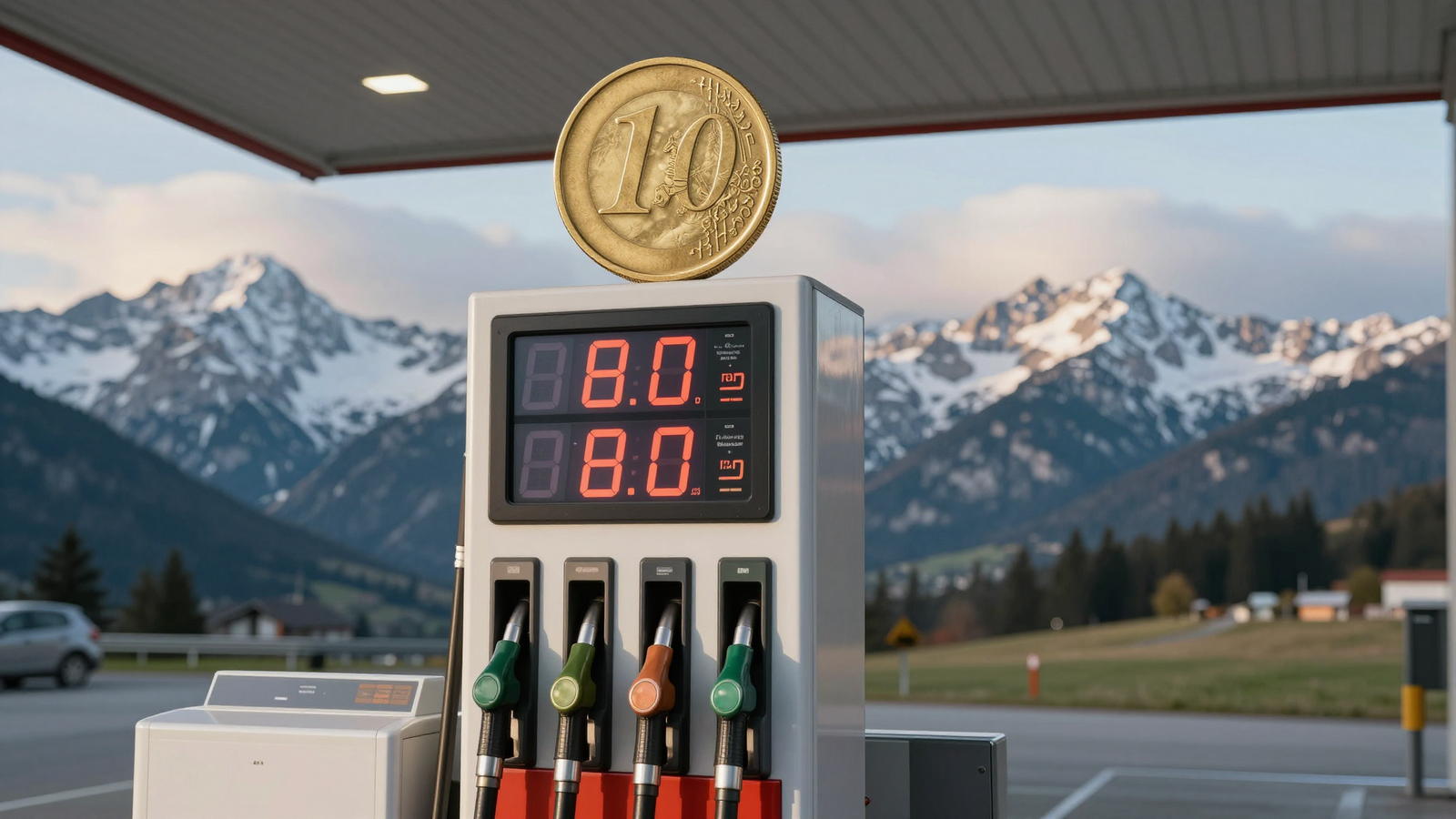
Fuel price reduction in Germany has become the main topic of political debate after the introduction of the “Spritpreisbremse” — a mechanism to cap price increases at gas stations. Within the first week, the rules limited price growth to €0.10 per litre and introduced a single daily price adjustment. This measure is designed to stabilise expenses for motorists and businesses, as well as ease inflationary pressure accompanying rising oil prices.
Why Is the Spritpreisbremse Important for Consumers?
According to a DIE ZEIT study, the price cap at gas stations will allow consumers to plan their budgets without fear of sudden spikes. In addition, the law provides for a one-time daily price revision, giving market participants flexibility while sparing drivers frequent “price marathons.” At the same time, SWR Aktuell notes that the government plans to release strategic oil reserves, which will further reduce price pressure.
How Does the Cap Mechanism Work?
The principle is simple: each gas station operator may adjust the retail price only once per day. The maximum increase on any given day is capped at €0.10 per litre. If oil prices rise faster than the rule allows, the government compensates the difference through subsidies funded from the federal budget. According to economists, this approach helps prevent speculative markups that were common in previous years.
As a result, monetary indicators show that the average fuel price in the country dropped from €1.90 to €1.78 per litre within the first weeks of the law taking effect. However, experts warn that long-term effectiveness will depend on the stability of global oil prices and reserve levels.
Impact on the Transport Sector
The transport industry, particularly logistics companies, supports the idea of a “temporary fuel price” as a way to avoid a financial crisis. As the Merkur article points out, industry associations advocate for a “temporary only” subsidy, emphasising that long-term subsidies could distort the market.
For company fleets, this means the ability to plan routes without sharp fuel cost spikes and reduce costs associated with higher inflation. Moreover, many businesses are considering a switch to electric vehicles in the context of the new regulation.
Key Benefits for the Economy
- Reduced inflationary pressure in the consumer sector;
- Stabilised expenses for transport companies;
- Reduced social tension linked to rising prices;
- Opportunity to redirect saved funds to other industries.
“Effective fuel price regulation is a way to protect the middle class from market fluctuations without destroying competition,” stated the German Finance Minister. Finance Minister, 2026
Comparison with Other Countries
Similar mechanisms already exist in Europe. For example, Austria introduced a “price brake” for fuel in 2024, limiting increases to €0.15 per litre. Meanwhile, the UK government proposed subsidising part of the fuel cost for socially vulnerable groups.
However, Germany stands out by combining the price growth cap with mandatory disclosure of price changes, which increases transparency for consumers.
What Do Experts Say?
Economists from IHS Markit note that “the direct impact on gas station prices could reduce fuel cost growth by approximately 5–7% during the first quarter.” At the same time, despite the cap, long-term price dynamics will still depend on global demand and oil-producing countries.
Critics of the measure point to the risk of market “distortion,” where gas stations may try to compensate for the restrictions through additional services such as raising car wash or car seat prices.
Forecasts for 2026
According to current forecasts, the average fuel price could stabilise around €1.80–€1.85 per litre by the end of 2026, provided global oil prices remain in the range of €80–€100 per barrel. Government support will gradually decrease to avoid a debt burden.
How Should Consumers Prepare?
For private motorists, the following is recommended:
- Monitor daily price changes on official gas station websites;
- Use mobile apps that show current prices in real time;
- Plan refuelling during hours when prices are at their lowest (usually early morning).
It is also worth considering switching to alternative fuels such as liquefied natural gas (LNG) or electric vehicles, especially if your car is frequently used in city traffic.
Questions and Answers
Q: Does the cap also apply to diesel?
A: Yes, the rule applies equally to petrol and diesel. The maximum daily price increase is €0.10 per litre.
Q: How is compliance monitored?
A: The Federal Agency for Fuel Market Surveillance will conduct online price monitoring and impose fines for violations.
Conclusions and Outlook
Overall, the Spritpreisbremse serves as a short-term stabilisation tool that can be extended or modified depending on economic results. If the first months show a positive effect, the government is likely to enshrine the mechanism as permanent regulation.
Based on current data, it can be assumed that the reduction in fuel prices in Germany will contribute to rising consumer demand and support the competitiveness of national transport.
Contents
- Why the Spritpreisbremse Is Important
- How the Cap Mechanism Works
- Impact on the Transport Sector
- Comparison with Other Countries
- What Do Experts Say
- Forecasts for 2026
- How Should Consumers Prepare
- Questions and Answers
- Conclusions and Outlook
You May Also Be Interested In
- Austria in Recession: WIFO & IHS Forecasts
- Everything About the VorteilsCard OEBB — 2024 Updates
- Real Estate Boom in Austria 2024: Prices Remain Stable
- How2Austria — News and Analytics
- Court Cases in Austria: Growth in 2023
Photo: How to Austria
Stay Up to Date with the Latest Austrian News
The week's top stories — news, guides, and insights about life in Austria. Every Sunday in your inbox.