Stadion 2.0: How Hartberg Secured Its Place in the Bundesliga The Austrian Bundesliga is about more than just exciting matches and star players — it also has serious requirements for stadium infrastructure. How does the small town of Hartberg manage to meet these standards and keep its team in the top division? Let's take a look at how the Stadion 2.0... Topics: Daily Life, Leisure & Culture.
Stadion 2.0: How Hartberg Secured Its Place in the Bundesliga
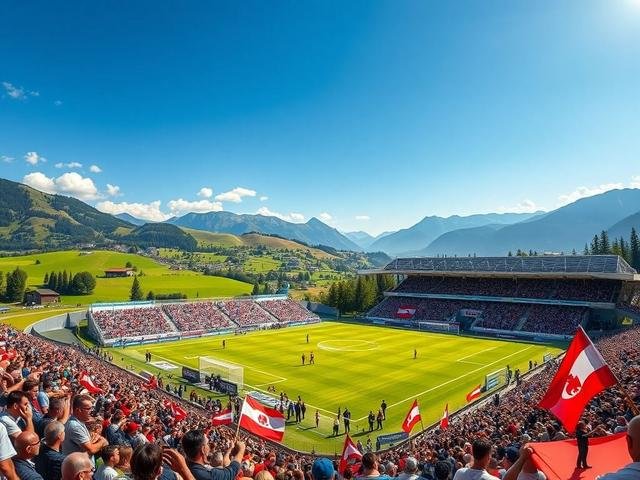
The Austrian Bundesliga is about more than just exciting matches and star players — it also has serious requirements for stadium infrastructure. 🏟️ How does the small town of Hartberg manage to meet these standards and keep its team in the top division? 🤔 Let’s take a look at how the “Stadion 2.0” project became the key to Hartberg’s future in the Bundesliga. ⚽
It’s no secret that succeeding in the Bundesliga requires not just a strong team, but also a modern, safe stadium. Many clubs struggle with financing and delivering such projects. But Hartberg found its own way, proving that even a small town can build a stadium that meets every requirement. 🚀
Why Is the Stadium So Important for the Bundesliga? 🇦🇹
A modern stadium is more than just a venue for matches. It’s the face of the club, a vital part of the city’s infrastructure, and a factor that influences the ability to attract fans and sponsors. 🤝
Meeting Standards: The Bundesliga imposes strict requirements on stadiums related to safety, capacity, lighting, and other parameters.
Attracting Fans: Comfortable conditions, convenient access, and well-developed infrastructure make attending matches more appealing to spectators.
Club Revenue: A modern stadium allows clubs to boost income from ticket sales, merchandise, food, and other services.
“Stadion 2.0”: What Is This Project? 🏗️
“Stadion 2.0” is a large-scale renovation and modernization project for Hartberg’s stadium, aimed at bringing it up to Bundesliga standards and creating comfortable conditions for fans and players. The project includes several key stages:
Increasing Stand Capacity 📈
One of the main aspects of the project was increasing the stadium’s capacity. To achieve this, the existing stands were renovated and new ones were built. This allowed Hartberg to meet the Bundesliga’s minimum capacity requirements.
Infrastructure Modernization 💡
The project also included modernization of the stadium’s infrastructure, including:
New Lighting: Installation of modern LED floodlights to ensure high-quality lighting of the pitch for players and spectators.
Security Systems: Installation of modern video surveillance and access control systems to ensure stadium safety.
Improved Changing Rooms: Upgrading the players’ changing rooms and creating comfortable conditions for pre-match preparation.
Creating Comfortable Conditions for Fans 👪
An important part of the project was creating comfortable conditions for fans. This included:
Improved Food Areas: New food outlets with a diverse selection were set up.
Modern Restrooms: New restrooms meeting all sanitary standards were installed.
Accessibility for People with Disabilities: Conditions were created to allow people with disabilities to attend matches.
Financing the Project: How Did Hartberg Pull It Off? 💰
Delivering such a large-scale project required significant financial investment. Hartberg was able to raise the necessary funds through:
City and Regional Support: Local authorities allocated funds for the stadium renovation, recognizing its importance for the town’s development.
Sponsorship Deals: The club secured favorable sponsorship contracts with local and national companies.
Season Ticket and Ticket Sales: Active engagement with fans allowed the club to increase revenue from season tickets and individual match tickets.
Project Outcomes: Is Hartberg Here to Stay in the Bundesliga? 🏆
Thanks to the “Stadion 2.0” project, Hartberg not only meets Bundesliga requirements but has also created comfortable conditions for players and fans. This has allowed the club to:
Stay in the Top Division: Meeting stadium requirements is a necessary condition for participating in the Bundesliga.
Attract New Fans: Improved stadium conditions have made attending matches more appealing to spectators.
Increase Club Revenue: The modern stadium has enabled higher income from ticket sales, merchandise, and other services.
As reported by ligaportal.at, the Hartberg stadium project serves as a model example for other small clubs aspiring to succeed in the Bundesliga.
Conclusion and Key Takeaways
The “Stadion 2.0” project is a striking example of how smart planning and effective management can help a small club achieve big things. Hartberg proved that even with limited resources, it is possible to build a modern stadium that meets all Bundesliga requirements. This project has not only secured the club’s future in the top division but has also become a key factor in the development of the town and the surrounding region. 🌟
If you enjoyed learning about how a small Austrian club secured its place in the Bundesliga, please share this article with your friends! 📢 Subscribe to our blog so you don’t miss new articles about life and football in Austria! ⚽📨
Photo: How to Austria
Stay Up to Date with the Latest Austrian News
The week's top stories — news, guides, and insights about life in Austria. Every Sunday in your inbox.