
Lower Eyelid Surgery in Austria: Remove Eye Bags Permanently - Costs, Procedure, Recovery
Lower Eyelid Surgery in Austria: Remove Eye Bags Permanently - Costs, Procedure, Recovery Lower eyelid surgery in Austria costs 2,000-4,500 euro and removes eye bags permanently. Procedure steps, recovery timeline, risks and insurance coverage. Topics: Daily Life, Healthcare.
Eye bags make you look tired even after a full night of sleep. Lower eyelid surgery removes them permanently, and in Austria it costs 2,000 to 4,500 euro. The procedure, known in German as Unterlidstraffung or Unterlidkorrektur (lower eyelid lift), takes 45 to 90 minutes, runs on an outpatient basis under local anesthesia, and shows a clear result within two weeks. This guide covers the surgical techniques used in Austria, what a lower lid operation costs in Vienna and other regions, when the Krankenkasse (public health insurance) pays, and how recovery works. You get a step-by-step plan from the first consultation to suture removal and surgeon selection. Everything you need before booking an appointment.
What lower eyelid surgery does and where eye bags come from
Lower eyelid surgery, in German Unterlidstraffung (lower lid lift), removes excess skin and protruding fat from the lower eyelid. Surgeons also call it Unterlidkorrektur (lower eyelid correction) or lower blepharoplasty. The result typically lasts ten to fifteen years, because the removed fat does not grow back. In Austria it is among the most common aesthetic procedures, alongside upper eyelid lifts.
Eye bags, in German Tränensäcke, come from three factors that often combine. With age, the circular muscle around the eye weakens and connective tissue stretches. The fat pad that cushions the eyeball then pushes forward and forms the typical bulge. Temporary fluid retention from poor sleep, salt, alcohol or allergies makes it more visible.
Genetics play a bigger role than most people expect. If your parents developed eye bags early, you may see them before age 40. Smoking and UV exposure accelerate the loss of skin elasticity.
One clarification before any consultation: not every bulge is a true eye bag. A deep tear trough, the groove between the eye and the cheek, can visually amplify the bulge, and cutting does not fix it. A serious surgeon checks this before recommending surgery.
Unterlidkorrektur: the techniques used in Austria
Unterlidkorrektur in Austria follows two standard techniques that differ in incision, scar and healing time. With the transconjunctival method, the surgeon makes the incision inside the lid. There is no visible scar, and the method suits younger patients with elastic skin and purely fatty bags. With the transcutaneous method, the incision runs directly below the lash line: the surgeon removes fat and excess skin and can tighten the lid edge at the same time.
| Technique | Incision | Removes | Best for | Healing |
|---|---|---|---|---|
| Transconjunctival | Inside the lid | Fat only | Fat bags, good skin | 7-10 days |
| Transcutaneous | Below the lash line | Fat and skin | Lax skin, age 40+ | 10-14 days |
| Combined with laser | Lash line | Fat, skin, wrinkles | Moderate aging | 14 days |
Both techniques run on an outpatient basis. Local anesthesia with mild sedation is the standard; general anesthesia is reserved for combined procedures or strong anxiety. Which method fits your case is decided by the surgeon based on skin quality, fat volume and lid tension.
One more point for your consultation: lower eyelid surgery can be combined with an upper lid lift. Operating both pairs usually costs 3,500 to 6,000 euro in total, and you only recover once.
What lower eyelid surgery costs in Austria
Lower eyelid surgery in Austria costs between 2,000 and 4,500 euro when only the lower lid is operated. Vienna sits at the top of the range, with typical prices of 2,500 to 5,000 euro in private clinics. In Graz, Linz, Salzburg or Innsbruck the same procedures often run 15 to 25 percent cheaper. Insurance coverage is the exception and explained in the next section.
The quoted price does not always include everything. Before booking, ask specifically whether these items are covered:
- Consultation and pre-operative exam, sometimes 100 to 200 euro separately
- Anesthesia, roughly 200 to 600 euro depending on type
- Follow-up visits and suture removal
- Complication treatment during the first months
Consumables such as painkillers, cooling compresses and prescribed eye drops usually appear on a separate line. Budget an extra 150 to 300 euro. If you travel to Vienna from another region, add one overnight stay, even for an outpatient procedure.
Price comparison is worth it, but be careful with offers under 1,500 euro. Such quotes often cover only part of the procedure or just the consultation, with the rest billed later. The Austrian Medical Association confirms that registered specialists in plastic, aesthetic and reconstructive surgery can be verified reliably through its physician search, including additional qualifications.
When public health insurance pays for lower eyelid surgery

The Krankenkasse covers lower eyelid surgery only when there is a medical indication. This is confirmed by the official health portal gesundheit.gv.at: plastic surgery operations are covered by statutory health insurance when medically necessary. Purely cosmetic cases are not. For lower lids, that threshold is reached less often than with drooping upper lids that genuinely narrow the field of vision.
A medical indication on a lower lid can exist when the lid turns outward, when chronic conjunctivitis follows from lid deformity, or when recurring infections damage the eye. In those cases ÖGK, SVS and BVAEB cover treatment in hospital or with a contracted specialist. The health portal recommends asking the insurer before the operation about coverage in doubtful cases.
Plastic surgery operations are covered by statutory health insurance when a medical indication exists. In doubtful cases, coverage can be requested from the health insurer before the operation.
- Federal Health Portal of Austria, gesundheit.gv.at
To get coverage, you need a medical report with photographs and a concrete description of functional complaints. How the full application process works, which documents ÖGK and SVS require and how the visual field test runs, we explain in detail in our guide to eyelid surgery and insurance coverage. That article focuses on upper lids, but the application logic is the same.
The procedure step by step: from consultation to sutures
The lower eyelid operation starts with a detailed consultation where the surgeon checks lid tension, excess skin and fat distribution. He pulls the lower lid down gently and observes how it returns. This test decides whether the transcutaneous method can be done without risking lid displacement. Bring your medication list: blood thinners and certain painkillers must be stopped beforehand.
The operation itself takes 45 to 90 minutes. After anesthesia, the surgeon makes the incision, removes fat and, if needed, skin, then closes with fine stitches below the lash line. On anesthesia, the health portal explains that local anesthesia numbs only the operation area while you stay awake. That is exactly how a standard lower lid lift runs.
After the procedure you get cooling compresses and eye drops. Discharge usually happens after one to two hours; someone should accompany you home, and you must not drive that day. Stitches dissolve on their own or come out after five to seven days. Prepare these points before the date:
- Stop smoking two weeks ahead, it measurably slows wound healing
- Stop blood thinners only after consulting your doctor
- Arrange a companion and cooling compresses for day one
- Pause contact lenses for at least one week and switch to glasses
Recovery: how healing after lower eyelid surgery works
Recovery after lower eyelid surgery follows a clear timeline. In the first 48 hours, swelling and bruising peak, and cooling for 15 to 20 minutes each hour brings noticeable relief. After seven to ten days the visible swelling is gone, and by two weeks most patients look presentable. The scar below the lash line fades completely over two to three months.
Office work resumes after one to two weeks, physically demanding jobs need two to four. Sport with an elevated pulse, especially weight training and bending, is off-limits for two to three weeks because pressure increases swelling. Most patients wear contact lenses again after one to two weeks, confirmed by the surgeon at the follow-up visit.
Sun protection is the decisive lever for scar quality. UV light darkens fine scars and makes them visible. The rule: sunglasses and sunscreen factor 50 on the scar area for at least six months. Dry eyes are common in the first weeks; preservative-free artificial tears help.
Plan your return to work realistically. Client-facing roles need about two weeks off, remote workers often manage with a few days. Healing speed is individual, but the general framework is stable.
Risks and side effects of lower eyelid correction
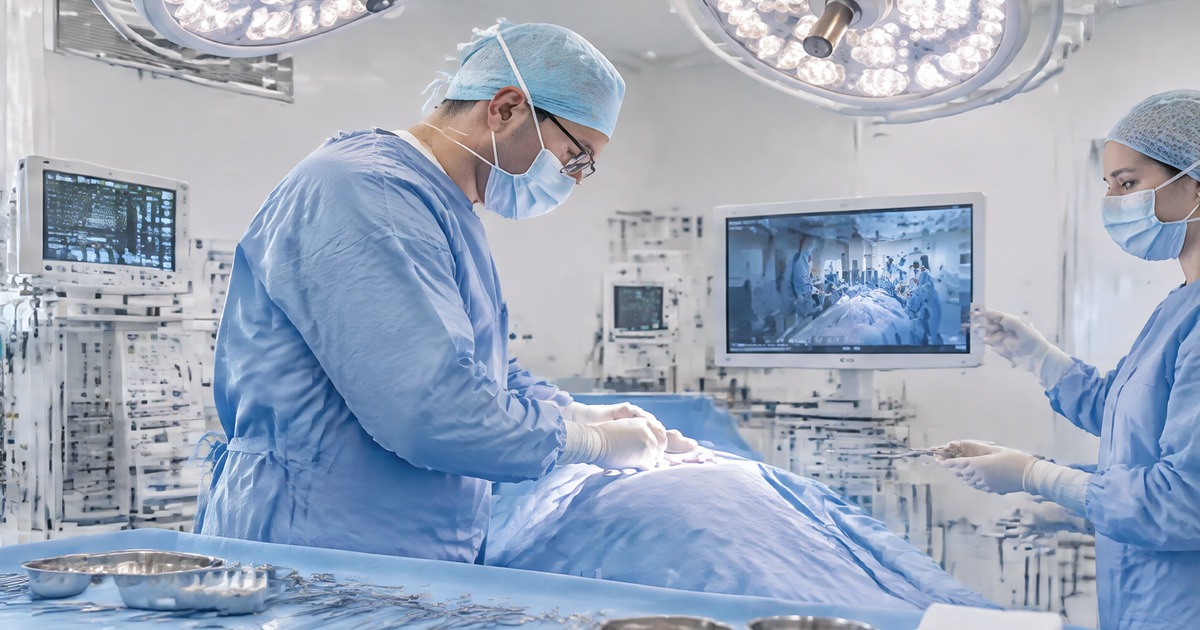
Lower eyelid correction is considered a safe procedure, but real risks exist and belong in your decision. The most common side effect is dry, irritated eyes for several weeks, because lid function is temporarily altered. Bleeding is rare but occurs within the first 24 hours and requires follow-up treatment.
The feared but rare complication is ectropion, the downward pulling of the lower lid. It appears when too much skin was removed or the scar contracts. With an experienced surgeon the risk is low, and mild forms often improve within weeks. If the lid stays displaced, a corrective operation is needed.
Other possible, but atypical, consequences:
- Asymmetry between the two lids, small differences are common
- Visible or firm scars, especially in smokers
- Delayed wound healing with diabetes or smoking
- Temporary numbness of the lid
Certain warning signs need same-day assessment. Severe one-sided pain, rapidly growing swelling, vision problems or fever mean seeing a doctor immediately. Your patient rights during treatment, including access to records and a second opinion, are summarized on gesundheit.gv.at under patient rights.
Finding the right surgeon in Vienna and Austria
The surgeon makes the biggest difference to the result. In Austria two groups are qualified for lower lid surgery: specialists in plastic, aesthetic and reconstructive surgery and eye surgeons with an additional qualification in lid surgery. Both operate lower lids regularly, and the Medical Association physician search shows titles, specializations and insurance contracts.
Watch three things when choosing. First, case volume: ask directly how many lower lid lifts the surgeon performs per year; a double-digit annual number is a good sign. Second, before-and-after photos of their own patients, not marketing images. Third, aftercare: clarify in advance who responds if complications appear at night.
A good consultation does not feel like a sales pitch. A serious surgeon also discusses alternatives, meaning injections or laser, and says clearly when surgery makes no sense for you. A second consultation with another doctor is standard practice, not a sign of distrust.
Allow time for the search. The best slots in Viennese private practices are often booked four to eight weeks ahead. If the operation is tied to a specific date, for example an event, inquire early.
One final tip: compare scope, not just price. The same sum at two surgeons can mean different packages: with or without an anesthesiologist, with three follow-up visits or one. Request the cost estimate in writing and keep it until the end of the recovery period. A transparent estimate is a sign of an orderly practice overall.
Alternatives to surgery: what works without a scalpel

Alternatives to lower eyelid surgery can soften eye bags but never remove them permanently. Hyaluronic acid fillers fill the tear trough below the bulge and make it look smaller, but the effect lasts only six to twelve months. The treatment is quick, costs 400 to 800 euro per session and works only for small bags with a deep trough.
Laser and radiofrequency treatments tighten the skin superficially. They smooth fine wrinkles and improve skin quality but do not push protruding fat back. With true eye bags the cosmetic result stays limited. Botulinum toxin barely affects bags on the lower lid area; it rather smooths fine smile lines under the eye.
What you can do without any procedure to reduce daily visibility:
- Reduce salt and alcohol in the evening, both promote fluid retention
- Sleep with a slightly raised head, less fluid accumulates overnight
- Cold compresses and chilled eye pads in the morning
- Skincare with retinol and sunscreen stabilizes the skin long term
Bottom line on alternatives: they postpone the problem without solving it. With clearly visible eye bags and a wish for a permanent result, lower eyelid correction is hard to avoid.
Lower eyelid surgery for expats: insurance, payment, the practice
Expats without a long insurance history can also be operated in Austria; access runs through statutory or private health insurance. If you are covered by the statutory system, for example through one of the Krankenkassen, medically necessary treatment is covered via the e-card. Purely aesthetic work you pay privately, regardless of the insurer.
Three practical points matter. First, private clinics usually require a down payment of 30 to 50 percent when booking, with the balance due before or on the day of surgery. Second, if you hold international insurance, check in advance whether it covers operations and request a cost estimate in English. Third, follow-up visits belong to the package; ask how many are included.
If you are still getting to know the Austrian system, start with our overview of the health insurance funds and the guide to co-payments at doctor visits. Both explain which services run automatically and which require out-of-pocket payments.
By the way: if you are unable to work for a longer period after surgery, for example due to a complication, you may qualify for Krankengeld (sickness benefit) under certain conditions. The requirements and deadlines are explained in our Krankengeld article.
Frequently Asked Questions
How long does the result of lower eyelid surgery last?
Typically ten to fifteen years. The removed fat does not grow back, but the skin keeps aging. After a decade a small touch-up may make sense, usually a minor addition rather than a full operation.
Does the lower lid operation hurt?
You feel nothing during the procedure; local anesthesia is reliable. Once it wears off, the first two to three days are uncomfortable, with tightness and swelling. Standard painkillers are usually enough.
When can I return to work?
For office work, most people are fit after one to two weeks, depending on swelling. Physical work or client contact means planning two to three weeks. The surgeon gives the final clearance at the follow-up visit.
Does public health insurance cover lower eyelid surgery?
Only with a clear medical indication, for example an outward-turned lid or chronic inflammation. Pure aesthetics you pay yourself. The health portal recommends requesting the insurer’s decision in writing before the operation.
How visible are the scars?
With the transconjunctival method there is no external scar at all. With the transcutaneous method, the scar sits directly below the lash line and is barely visible after two to three months. Sun protection speeds up fading.
Conclusion: removing eye bags permanently - your next step
Lower eyelid surgery in Austria is a small, well-established procedure with a permanent result. The key points at a glance:
- Costs: 2,000 to 4,500 euro for one lower lid, Vienna at the top
- Techniques: transconjunctival without visible scar, or transcutaneous with skin tightening
- Procedure: 45 to 90 minutes outpatient, usually under local anesthesia
- Recovery: presentable after two weeks, scars fade over three months
- Insurance: pays only with medical indication, otherwise self-funded
Your next step: find two surgeons near you through the physician search, book two consultations, and compare written cost breakdowns and aftercare terms. To sort out insurance questions in parallel, read our overview of the Krankenkassen, and subscribe to our newsletter for new guides on health in Austria. Careful preparation saves money, time and nerves - and the mirror will thank you for years.
Stay Up to Date with the Latest Austrian News
The week's top stories - news, guides, and insights about life in Austria. Every Sunday in your inbox.