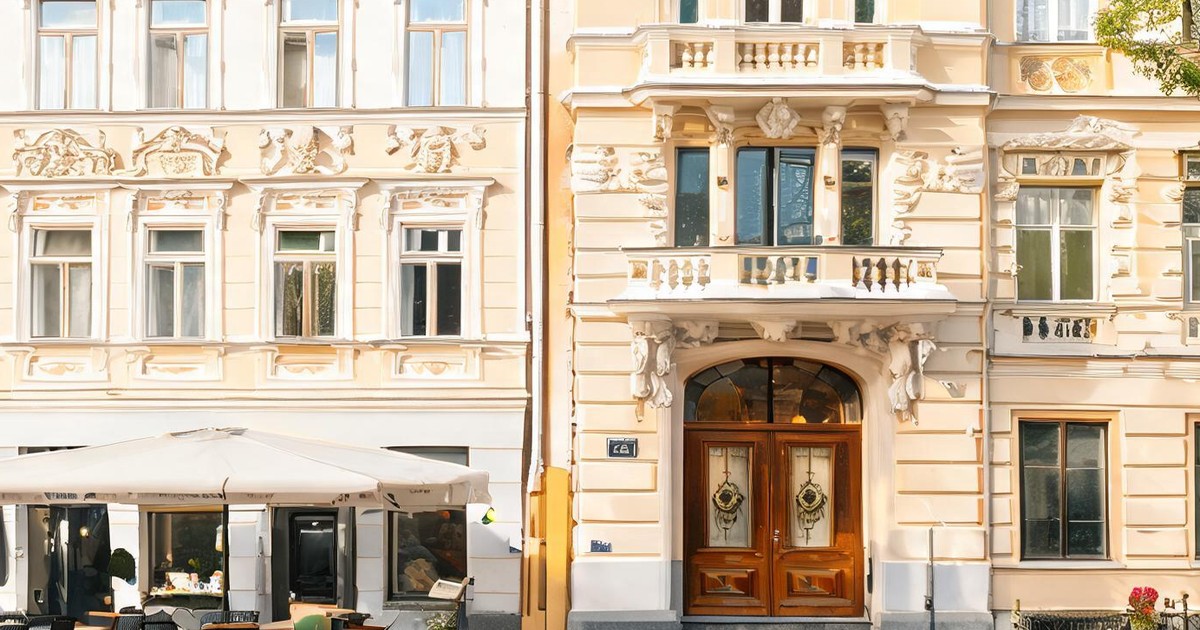
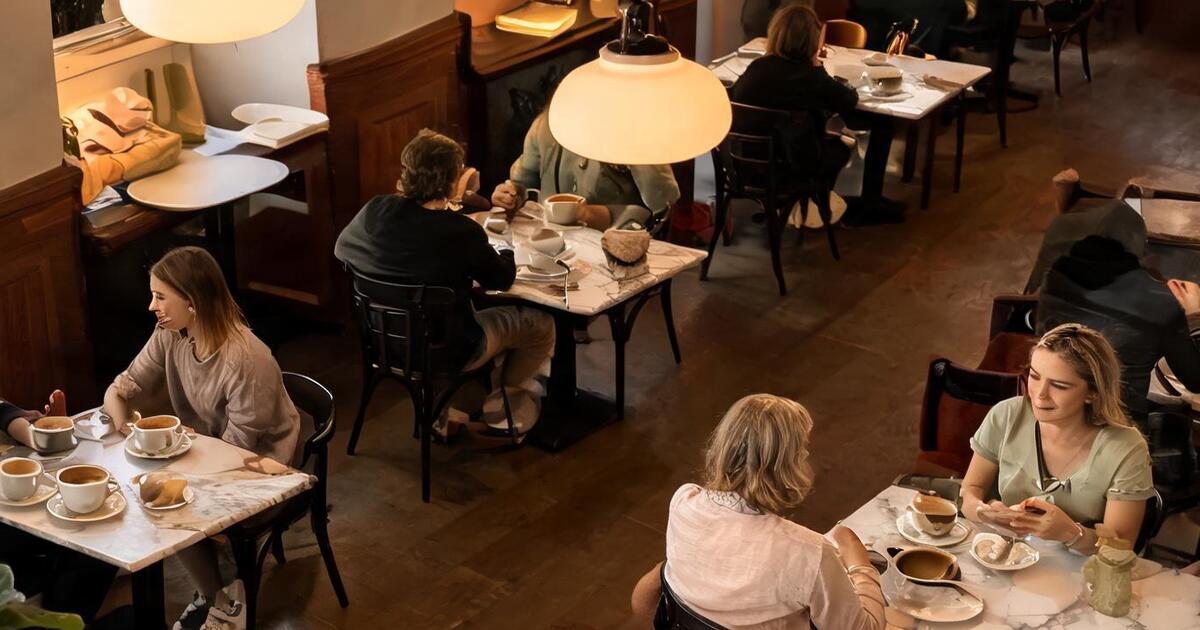
WG in Austria: flatshare prices, platforms and how to rent a room in 2026 Flatshare Vienna guide: room prices, where to find WG rooms (WG-gesucht, Willhaben), documents and contracts you need, and how to avoid overpaying in Austria. Topics: Daily Life, Housing.
In March 2026, the Tyrolean Chamber of Labour published striking figures. The most expensive room in a WG — a shared flat (German Wohngemeinschaft, “living community”, where several tenants rent rooms and share kitchen and bathroom) — in Innsbruck’s Saggen district costs €1,010 per month. This is not a curiosity but a new market ceiling. If you plan to rent a room in Vienna or another Austrian city, you need to understand how a flatshare works. Learn what prices are realistic and where to look. This guide covers WG in Austria, from average prices to platforms and paperwork.
What is a WG and who it suits
A WG (Wohngemeinschaft, or “living community”) is a shared flat where several people rent rooms and share the kitchen, bathroom, and living area. The format is popular with students, young professionals, and expats. It costs less than renting a whole flat and gives you an instant social circle.
In Austria, a flatshare is not only a student phenomenon. In Vienna, Salzburg, and Innsbruck, people in their 30s and older live this way too, especially after relocating. Legally, you sign a room rental (or sublet) contract, with the common areas included.
Prices: Vienna, Innsbruck and the regions
Prices depend heavily on the city and district. According to 2026 data:
- Vienna: an average WG room runs €600–650 per month. On WG-gesucht, listings start at €540 (2-person WG in Tigergasse) and reach €660 (3-person WG on Josefstädter Straße).
- Innsbruck: Austria’s most expensive student market. The Chamber of Labour sample of 1,031 listings averages €539.69, with square metres at €32.57. The peak price is €1,010 in the Saggen district.
- Salzburg, Graz, Linz: €400–550 per room, depending on proximity to the centre and the university.
“The sometimes absurdly high prices students pay also show the precarious situation on the housing market. Many young people are willing to pay outrageous sums, which drives rents up.”
— Erwin Zangerl, President of the Tyrolean Chamber of Labour
Where to look: 4 platforms
Most WG places in Austria appear on a handful of sites. Set up accounts on all of them — the market is competitive, and speed matters.
- WG-gesucht.de — the largest WG database in the German-speaking world. Filter by city, price, and WG size (2er, 3er, 4er). Vienna lists more than 1,800 active offers.
- Willhaben.at — Austria’s leading classifieds site. Prices run slightly higher than WG-gesucht; the Vienna average sits around €650.
- Facebook groups — “Wohnung in Wien”, “WG Innsbruck”, “Erasmus Graz”. Expat and student offers often appear here before the platforms.
- University boards — the ÖH (Austrian Students’ Union) and dormitory websites publish internal lists.
What drives the price
Not every WG costs the same. The price is shaped by several factors:
- District — in Vienna, the 1st, 8th, and 13th districts are pricier; the 10th, 11th, and 21st are cheaper but farther from the centre.
- WG size — 2-person WGs cost more per room; 4+ person WGs are cheaper but offer less privacy.
- Furnishing — a room with a bed, desk, and wardrobe costs €50–100 more than an unfurnished one.
- Duration — temporary WGs (for a semester or Erasmus) are often pricier than long-term ones.
- Deposit (Kaution) — usually 1–3 months’ rent, sometimes fully refundable.
How to rent: documents and contract
A WG in Austria is a full rental contract. Prepare these documents in advance:
- Passport + registration (Meldezettel) — proof that you are registered in Austria, or that you plan to register within 3 days of moving in.
- Proof of income or a guarantor — if you are a student without a job, a deposit or guarantor is often required.
- Landlord’s consent (Zustimmung des Vermieters) — in social housing (Gemeindewohnung) or sublets, written consent from the owner is mandatory.
- Contract (Mietvertrag) — signed with the Hauptmieter (main tenant) or the owner. Check the term, Kaution, and cleaning duties carefully.
Without a Meldezettel and the basic document set, a WG is nearly impossible to secure. In Vienna, a single room can draw dozens of enquiries.
Alternatives: when a WG does not fit
A flatshare is not the only affordable housing option in Austria:
- Student dormitory (Studentenheim) — the cheapest at €250–400, but waiting lists stretch across semesters.
- Gemeindewohnung — Vienna’s city social housing, available based on income and registration duration. Cheap, but a long wait.
- Temporary housing (Wohnen auf Zeit) — furnished flats for 1–6 months, pricier but with no long contract.
If a WG does not come together, start with temporary housing for 2–3 months. You can then find a long-term option without rushing.
Outlook: rent caps and new builds
Since 2025, the Austrian government has capped rent increases at 1% in 2026 and 2% in 2027 for social and category housing. This will slow, but not stop, rising WG prices in the private sector.
At the same time, “youth housing” projects are under construction in Innsbruck and Vienna — for example, the Sandwirt-Areal in the Reichenau district. Yet, as the Chamber of Labour notes, this replaces no real student dorm, and the shortage will persist. Anyone moving to Austria in 2026–2027 should budget a WG with a margin and start the search 2–3 months before moving in.
Stay Up to Date with the Latest Austrian News
The week's top stories — news, guides, and insights about life in Austria. Every Sunday in your inbox.