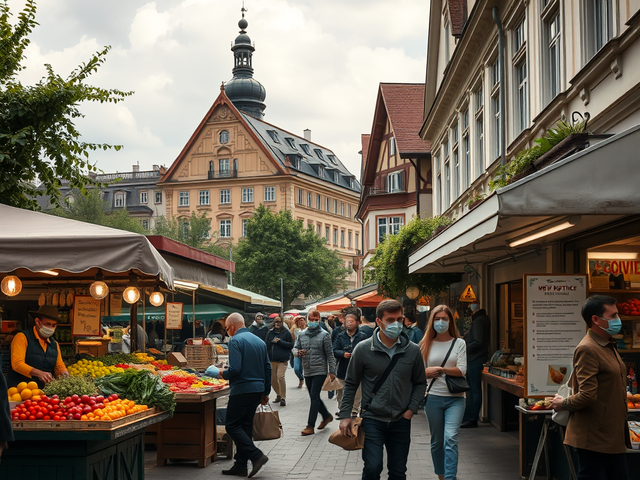
Bankruptcy at Vienna Naschmarkt: How Did COVID-19 Affect Businesses?
Bankruptcy at Vienna Naschmarkt: How Did COVID-19 Affect Businesses? In recent months, the Vienna Naschmarkt, one of Austria's most popular markets, has become the center of unpleasant news. The coronavirus outbreak has affected the financial condition of many stalls, and some have already declared bankruptcy. For example, the company Fischvierterl GmbH, which... Topics: Work, Labor Market.
Bankruptcy at Vienna Naschmarkt: How Did COVID-19 Affect Businesses?
In recent months, the Vienna Naschmarkt, one of Austria’s most popular markets, has become the center of unpleasant news. The coronavirus outbreak has affected the financial condition of many stalls, and some have already declared bankruptcy. For example, the company “Fischvierterl GmbH,” which operates several kiosks, has faced debts of 1.4 million euros and initiated rehabilitation proceedings. This clearly demonstrates how the pandemic has affected even the most famous and beloved places.
In this article, we will examine the current situation at the Vienna Naschmarkt, the reasons for the financial difficulties, and possible solutions.
Reasons for Bankruptcy at the Naschmarkt
Increasing Debts
Despite attracting hundreds of thousands of tourists, three popular stalls associated with “Fischvierterl GmbH” found themselves in a difficult financial situation. The main reasons for the bankruptcy include:
- The COVID-19 pandemic — closures and partial restrictions significantly reduced sales volumes. This affected consumer demand and led to a reduction in product range.
- High rents — significant rental costs at the market force traders to cut their expenses and reduce product diversity.
- Competition and standardization — traders often copy each other, leading to a decrease in the uniqueness of offerings.
What Is Happening with “Fischvierterl GmbH”?
The company “Fischvierterl GmbH” has announced its debts and intends to continue operations by offering creditors a rehabilitation plan. This plan proposes returning 20% of debts over two years. This decision affects nine employees of the company.
Market Reaction to the Crisis
Criticism of Product Range and Prices
Customer dissatisfaction is related to the fact that the market is seeing a decline in product diversity: traditional products are being replaced by antipasti and souvenirs. Consumers are beginning to express dissatisfaction with high prices and deteriorating service quality. Many traders are advocating for the need to change market regulations to improve the situation.
Possible Solutions
Despite the difficult situation, experts suggest several ways out of the crisis:
- Diversifying the product range — increasing the number of unique offerings can help attract customers.
- Cost optimization — reducing rental and other fixed expenses.
- Government support — assistance programs for small and medium-sized businesses could be a lifeline for many traders.
Conclusion
The Vienna Naschmarkt continues to be a landmark place for tourists and locals alike, but the current economic situation raises serious concerns. The bankruptcy of “Fischvierterl GmbH” is an indicator of the larger problems facing many traders at the market. We hope that sensible measures and updated approaches will help restore financial stability and product diversity at this amazing market.
The situation at the Vienna Naschmarkt shows how external factors such as a pandemic can lead to serious financial problems even for well-known brands. It is important to monitor developments and support local entrepreneurs during these difficult times.
SEO meta description: Bankruptcy at the Vienna Naschmarkt: how COVID-19 affected businesses. Causes, consequences, and prospects for recovery.
Stay Up to Date with the Latest Austrian News
The week's top stories — news, guides, and insights about life in Austria. Every Sunday in your inbox.


