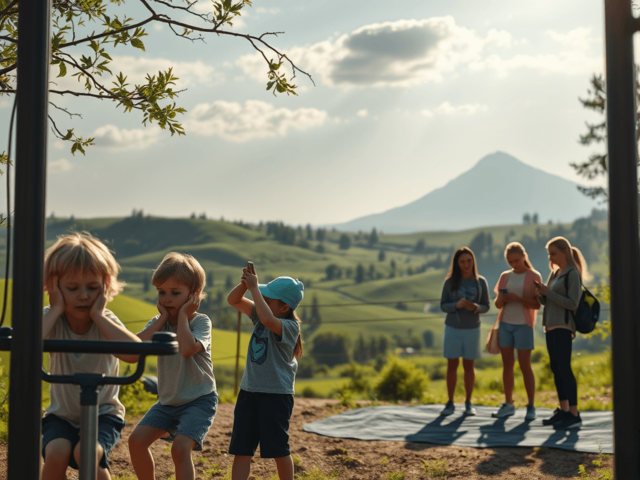
The Fitness Crisis in Children and Teenagers After the Pandemic After the COVID-19 pandemic, many areas of life changed, and unfortunately, the health of children and teenagers came under threat . Lack of movement, online learning and limited social interaction led to a decline in physical activity and a deterioration in overall health. How can we fix the sit... Topics: Daily Life, Healthcare.
The Fitness Crisis in Children and Teenagers After the Pandemic
After the COVID-19 pandemic, many areas of life changed, and, unfortunately, the health of children and teenagers came under threat ⚠️. Lack of movement, online learning and limited social interaction led to a decline in physical activity and a deterioration in overall health. How can we fix the situation and get the younger generation back to a healthy lifestyle? Let’s find out together! 🏃♀️🤸♂️
The consequences of the pandemic for children’s and teenagers’ health 😔
The COVID-19 pandemic had a significant impact on the lifestyle of children and teenagers. Extended lockdowns, school closures and the shutdown of sports clubs led to a sharp decline in physical activity. As a result, many children began spending more time in front of screens 💻📱, increasing the risk of developing various health issues such as obesity, cardiovascular problems and psychological disorders. According to studies conducted in several countries, the level of physical activity among children and teenagers dropped significantly, while the number of overweight children rose 📈.
Causes of declining physical activity 🔍
To understand how to fix the situation, we need to look at the reasons behind the decline in physical activity. Here are the main factors that affected the health of children and teenagers during and after the pandemic:
Closed sports clubs and schools: Many sports clubs and school sports programs were temporarily or permanently shut down, depriving children of the chance to exercise regularly.
Limited social interaction: Quarantine measures and social distancing limited children’s opportunities to play and spend time outdoors with friends.
More screen time: Online learning and a lack of alternative entertainment meant children spent more time on computers, tablets and smartphones.
Psychological stress: The pandemic caused stress, anxiety and loneliness in many children and teenagers, which also negatively affected their physical activity.
How to get children and teenagers back to an active lifestyle 💪
Despite all the difficulties, getting children and teenagers back to an active lifestyle is entirely possible. Here are a few effective strategies:
Creating a supportive home environment 🏠
Limit screen time: Set clear rules for device use and offer alternative activities such as reading, games or creative hobbies.
Organise active games at home: Turn household chores into a game, dance, have competitions or just play active games.
Lead by example: Be active yourself and involve your children in joint sports or outdoor walks.
Supporting physical activity at school and in the community 🏫
Restoring sports programmes: Schools and sports clubs should actively restore and develop sports programmes, offering a variety of physical activities.
Creating safe places to play: It is important to provide safe, accessible spaces for outdoor play and sport, such as parks, sports grounds and play areas.
Running awareness campaigns: Organise information campaigns about the importance of physical activity and a healthy lifestyle for children and teenagers.
An individual approach 🎯
Consider the child’s interests: Help your child find a sport or physical activity they genuinely enjoy, so that exercise brings pleasure and motivation.
Start small: Don’t expect immediate results — start with light activity and gradually increase it.
Encourage and support: Praise your child for any achievements and support them through tough moments so they don’t lose interest in exercise.
The importance of proper nutrition 🍎🥦
Physical activity goes hand in hand with good nutrition. A balanced diet rich in fruit, vegetables, protein and healthy fats provides the body with the nutrients and energy it needs for an active life. Avoid sugary drinks, fast food and other unhealthy products that can harm health. It is important to instil good eating habits from an early age so that children can maintain a healthy lifestyle throughout their lives.
As the article on ÖGK notes, it is important for parents to pay attention to these issues and help their children develop healthy habits.
Conclusion
The COVID-19 pandemic dealt a serious blow to the health of children and teenagers, reducing their physical activity and increasing the risk of various diseases. However, through the combined efforts of parents, schools, communities and the children themselves, the situation can be turned around. It is important to create a supportive environment for physical activity, encourage healthy eating and take each child’s individual interests into account. Returning to an active lifestyle will not only improve physical health but also boost self-esteem, lift mood and strengthen social bonds. Let’s help the younger generation become healthy and happy together! 🥳
If you found this article helpful, share it with your friends! 📢
Photo: How to Austria
Stay Up to Date with the Latest Austrian News
The week's top stories — news, guides, and insights about life in Austria. Every Sunday in your inbox.