Dangerous Energy Drinks: Criticism of Marketing Aimed at Teenagers Energy drinks have become a fixture of modern culture, especially among young people. But what do we really know about their impact on teenagers' health? Austria faces growing concerns over aggressive marketing. Topics: Daily Life, Healthcare.
Dangerous Energy Drinks: Criticism of Marketing Aimed at Teenagers
Energy drinks have become an integral part of modern culture, especially among young people. But what do we really know about their impact on teenagers’ health? Austria, like many other countries, is facing growing concerns about the aggressive marketing of these beverages targeted at minors. In this article, we will examine the criticism directed at energy drink manufacturers and discuss what measures are needed to protect the health of the younger generation.
The impact of energy drinks on teenagers’ health
Energy drinks contain high doses of caffeine and sugar, which can lead to serious health problems, especially in teenagers. Cardiovascular disease, sleep disorders, and anxiety are just some of the possible consequences.
Risks to the heart and blood vessels
The high caffeine content in energy drinks can cause rapid heartbeat, elevated blood pressure, and even arrhythmia. A teenager’s body, which is still developing, is particularly vulnerable to these effects.
Sleep and mental health issues
Energy drinks are often consumed to boost alertness and concentration, but their effect is short-lived and the consequences can be long-lasting. Regular consumption of energy drinks can lead to insomnia, anxiety, and depression.
Addiction and overdose
The high sugar and caffeine content in energy drinks can cause dependency. In addition, teenagers often do not know the safe limit and consume energy drinks in large quantities, which can lead to overdose with serious consequences.
Criticism of the marketing strategy
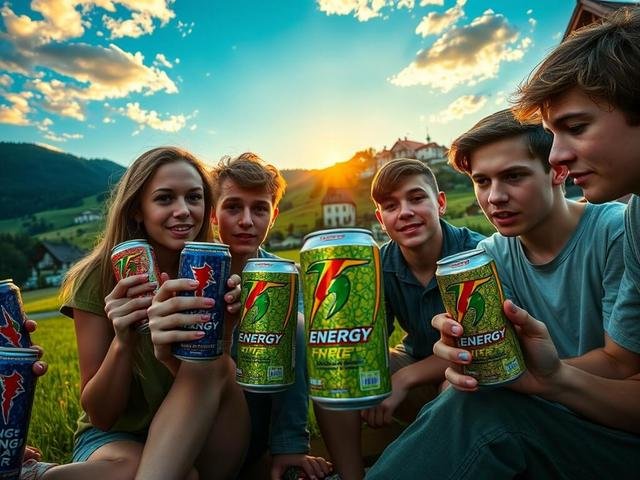
Energy drink manufacturers frequently use aggressive marketing strategies targeted at teenagers. Bright packaging, catchy slogans, and sponsorship of youth events create a false impression among teenagers about the safety and benefits of energy drinks.
Social media advertising
Social media has become one of the main channels for promoting energy drinks among teenagers. Companies actively use influencer marketing, recruit popular bloggers, and create viral content to reach as many young people as possible.
Sponsorship of events and sports teams
Energy drink companies often sponsor youth events, sports teams, and festivals. This creates an association between energy drinks and an active lifestyle and success, which is particularly appealing to teenagers.
Packaging and design
Bright packaging and attractive design make energy drinks look like sodas or candy, which is especially dangerous for children and teenagers. Many young people do not realize that behind the harmless exterior lies a dangerous product.
Measures to protect teenagers’ health
To protect the health of teenagers, comprehensive measures are needed to restrict energy drink advertising, raise awareness, and strengthen controls on the sale of these beverages.
Legislative restrictions
Legislative restrictions on energy drink advertising targeted at minors should be introduced. The possibility of raising the minimum age for purchasing energy drinks should also be considered, along with mandatory labeling warning about health risks.
Educational programs
It is important to conduct educational programs in schools and among parents to raise awareness of the risks of energy drink consumption. Teenagers should know about the possible health consequences and be able to make informed decisions.
Strengthening sales controls
Controls on the sale of energy drinks in stores and other retail outlets need to be strengthened. Sellers should verify the age of buyers and not sell energy drinks to minors.
What the research says
Studies show that consumption of energy drinks is associated with an increased risk of various diseases and behavioral problems in teenagers. As noted in an article by the Bundesinstitut fur Risikobewertung, it is important for authorities to pay attention to these issues and develop a strategy to address them. Another study published on verbraucherzentrale.de emphasizes the need for stronger controls on energy drink advertising aimed at children and teenagers. An article on the Osterreichische Agentur fur Ernahrungssicherheit also calls for stricter rules on labeling and sales of energy drinks to protect young people’s health.
Conclusion
The criticism of energy drink marketing aimed at teenagers is well justified. The high caffeine and sugar content in these drinks can have a negative impact on young people’s health. Measures must be taken to protect teenagers from aggressive advertising and raise their awareness of the risks of energy drink consumption. Only through the joint efforts of the state, parents, and educational institutions can we ensure a healthy future for the younger generation. Let us do everything possible so that our children grow up healthy and happy!
If you found this article helpful, share it with your friends!
Stay Up to Date with the Latest Austrian News
The week's top stories — news, guides, and insights about life in Austria. Every Sunday in your inbox.