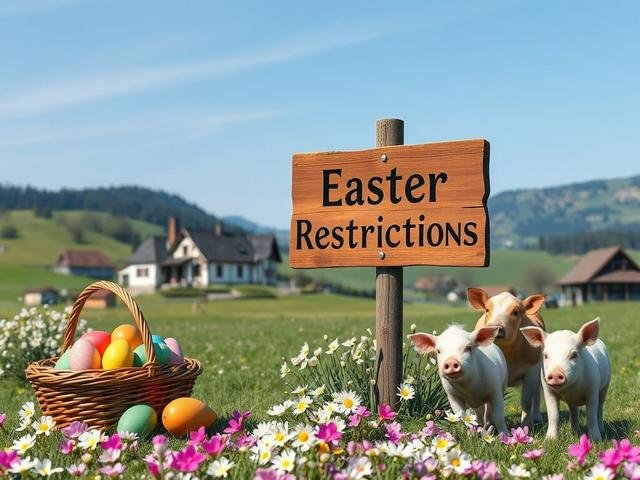
Easter Restrictions: Controls on Bringing Meat and Dairy into Austria
Easter Restrictions: Controls on Bringing Meat and Dairy into Austria Easter is a time of celebration and family feasts, but did you know that Austria enforces strict rules on importing certain foods, especially meat and dairy? Customs authorities tighten checks before the holidays to protect local agriculture and public health. Topics: Daily Life, Healthcare.
Easter Restrictions: Controls on Bringing Meat and Dairy into Austria
Easter is approaching, a time of joy and family feasts. But did you know that Austria has strict rules regarding the import of certain products, especially meat and dairy? In the run-up to the holidays, customs authorities step up controls to protect local agriculture and public health. How can you avoid getting caught out and running into trouble at the border? Let us find out.
Why are import restrictions in place?
Austria, like other EU countries, adheres to strict rules on importing products of animal origin. These measures are aimed at:
- Protecting against the spread of animal diseases.
- Supporting local producers.
- Ensuring food safety for consumers.
This issue becomes particularly relevant during holidays, when the flow of tourists increases and, accordingly, so does the risk of illegal food imports.
What cannot be brought into Austria at Easter?
The restrictions mainly concern products of animal origin, specifically:
- Meat and meat products (sausages, lard, canned goods).
- Milk and dairy products (cheese, yogurt, butter).
- Eggs and egg products.
These items can be confiscated at the border, and in some cases offenders face fines. So before you pack your bags, make sure nothing prohibited is inside!
What products are allowed?
It is not all strict. There are exceptions to the rules. For example, you are allowed to bring in small quantities of:
- Baby food.
- Special dietary products for people with specific medical conditions.
- Honey and other beekeeping products.
However, it is always worth checking the latest information on the Austrian customs website or with your country’s consulate.
How to avoid problems at customs?
To avoid spoiling your holiday mood, follow these simple tips:
- Familiarize yourself in advance with the rules on importing food into Austria.
- If you have any doubts, declare your products at customs.
- Buy locally produced goods to support Austrian farmers.
Current data and useful links
As reported by oesterreich.gv.at, certain rules and restrictions must be observed when importing food products. oesterreich.gv.at
According to information from wko.at, there are specific limits and conditions for importing goods from non-EU countries. It is important to be aware of these rules to avoid problems when crossing the border. wko.at
Additional information about import regulations can be found on zoll.at, where all necessary requirements and procedures are described in detail. zoll.at
Conclusion
As Easter approaches, it is important to remember the food import rules in force in Austria. Strict controls on meat and dairy are designed to protect public health and support local producers. To avoid misunderstandings at customs, check the latest information in advance and comply with established norms. Better to play it safe and buy everything you need locally, enjoying Austrian delicacies!
Stay Up to Date with the Latest Austrian News
The week's top stories — news, guides, and insights about life in Austria. Every Sunday in your inbox.


