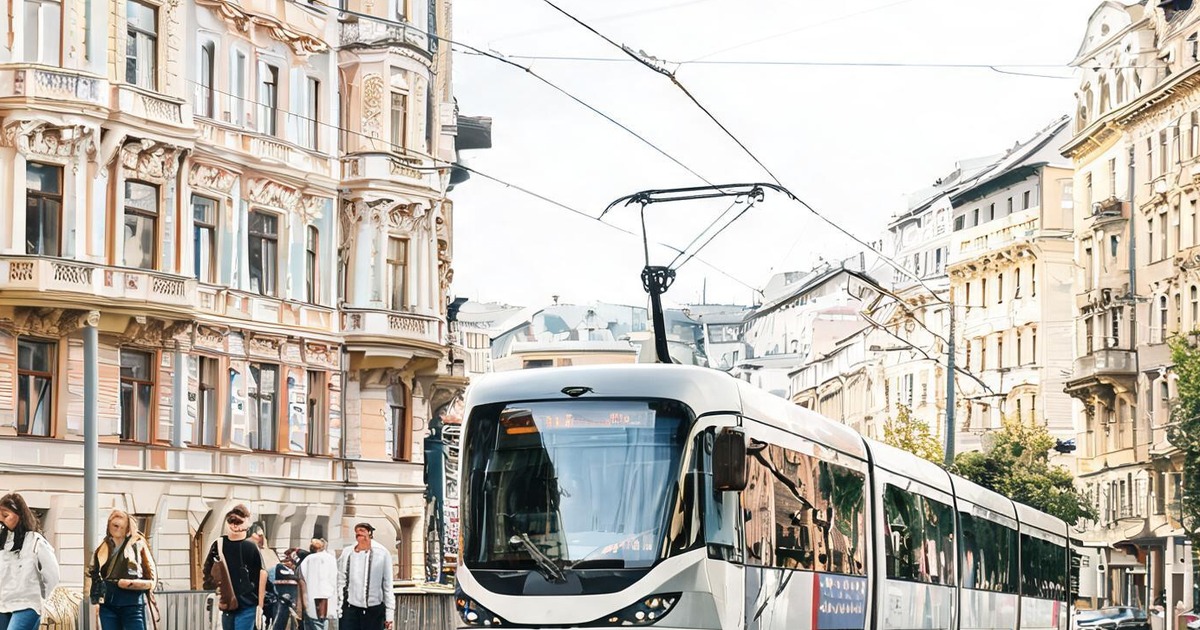
Bullying, Fraud and Fake News: How Austrian Students Learn Digital Self-Defense Austria launches digital self-defense project for students: STANDARD and SPAR workshops teach teens to spot fakes, fraud, and cyberbullying in social media. Topics: News, Technology, Career & Education.
Get rich on crypto? It’s easy, promise influencers on TikTok and Instagram as they pose in front of Lamborghinis. Meanwhile, AI-generated images that are nearly indistinguishable from real ones are spreading, cyberbullying has become part of daily life for many teens, and fraud schemes are growing more sophisticated. In response, Austria has launched a project that teaches students and apprentices “digital self-defense” — the ability to spot fakes, understand algorithms, and protect themselves from digital manipulation. Here is how the media literacy project by DER STANDARD and SPAR works, and why it matters for international families in Austria.
How the media literacy project works
The “Media Literacy Day” took place at the SPAR Academy in Vienna’s Hietzing district — a state-approved private vocational school training future retail salespeople. 130 students participated in five workshops led by 13 editors from DER STANDARD. The project was organized by the media outlet together with SPAR Österreich as part of the “Zukunft Medienkompetenz” initiative (Media Competence for the Future).
The curriculum covered four key areas: spotting fake news and deepfakes, understanding how social media algorithms work, protecting oneself from cyberbullying, and countering online fraud. As DER STANDARD notes, the focus was specifically on vocational students — those who are often overlooked in educational policy discussions.

Why “digital self-defense” became necessary
Nana Siebert, deputy editor-in-chief of DER STANDARD and initiator of the project, calls this concept “digitale Selbstverteidigung” (digital self-defense). While the subject “Media Literacy and Democracy” is becoming mandatory in upper-level academic high schools (Gymnasium), students in other types of schools often miss out on these critical skills.
Vocational students are often overlooked in educational discussions. Yet they are also teenagers who face disinformation, fraud schemes, and cyberbullying on a daily basis.
— Nana Siebert, Deputy Editor-in-Chief, DER STANDARD
Alois Huber, Managing Director of SPAR in Vienna, Lower Austria and northern Burgenland, stressed that banning social media is the wrong approach. “It is much more important to educate young people and prepare them for this new world,” he said, adding that offering media literacy seminars is not just voluntary training but a management responsibility.
According to Saferinternet.at, the Austrian initiative for safe internet use, cyberbullying affects approximately one in six adolescents in the European Union. In Austria, the Ministry of Education actively promotes the annual Safer Internet Day each February, when schools across the country hold lessons on safe online behaviour.
How algorithms work and why phones are so hard to put down
One workshop focused on how social media algorithms work. Students learned why each user’s feed looks different and why it is so hard to put the smartphone down: platforms are designed to capture and hold as much attention as possible.
Nana Siebert and science editor Marlene Erhart put it simply: “You are not the player. You are the ball.” Algorithms reward outrage, and outrage is not always rooted in truth. Since fake information is often particularly emotional, it tends to spread faster.
Students also critically examined their own screen time. Pascal, a third-year apprentice, shared: “Last Monday I had about 6.5 hours. Now I’m trying to cut that down a bit.” For many young people, several hours of daily scrolling on a smartphone is perfectly normal.
Crypto influencers, borrowed Lamborghinis, and AI voices
Online fraud generated the most interest among students. DER STANDARD editor Benedikt Narodoslawsky played a convincing AI-generated version of his own voice asking colleagues to share their credit card details. Phone calls where fraudsters convince friends or relatives that someone is in an emergency — this is no longer science fiction.
Another workshop exposed crypto influencer tactics. Editor Peter Zellinger explained that the Lamborghinis influencers use to show off financial success are often rented or borrowed just for the photo shoot. License plates on many pictures are identical — a detail that attentive observers can spot.
Students also discussed legal questions: whether AI-generated nude images of a colleague are a legal issue, whether liking a post can carry risk, and how to stop cyberbullying. Damaris, a first-year student, noted: “There are so many AI-generated images now that they are almost impossible to distinguish because they have become very good.”

What comes next: new events in autumn
DER STANDARD has been supporting schools with media literacy for two years. Until now, the focus was on giving teachers the tools they need for classroom work. Now, through project days for vocational students, the outlet is expanding its initiative together with companies like SPAR. New events are planned for autumn 2026.
According to the Federal Ministry of Education (BMB), Safer Internet Day 2026 focused on responsible use of digital media and building media competence among children and teenagers. Throughout the action month of February, schools across Austria held lessons and lectures with cybersecurity experts.
The SPAR Academy, where “Media Literacy Day” took place, is an unusual school. It is a private vocational institution where students represent 34 different nationalities. The school regularly goes beyond the standard curriculum, hosting heritage days, innovation projects, and meetings with contemporary witnesses.
Frequently Asked Questions
What is “digital self-defense”? It is a concept developed by DER STANDARD’s editorial team that teaches teenagers to recognize fakes, understand social media algorithms, protect themselves from cyberbullying, and counter online fraud.
Where do these workshops take place? The pilot project was held at the SPAR Academy in Vienna (Hietzing district). New events for vocational school students are planned for autumn 2026.
How can international families in Austria teach kids digital safety? Check out Saferinternet.at — it offers free materials in German for parents and students. Also ask whether your child’s school participates in Safer Internet Day.
Why is this especially important for immigrant children? Children from migrant families often face additional risks: language barriers can make it harder to recognize fraud schemes, and cultural differences may hinder discussing these issues with parents.
Digital literacy is a 21st-century skill
The “Media Literacy Day” at the SPAR Academy showed that Austrian schools and companies take digital education seriously. The project’s main message is simple: when in doubt, pause and ask yourself whether the information can really be true. And keep discussing these topics with family and friends — think about who actually benefits from any given piece of content.
What to do right now: if you have teenagers at home, talk to them about how to spot fakes and why get-rich-quick promises on social media are rarely what they seem. Check out Saferinternet.at — it has free resources for the whole family. And subscribe to our newsletter to stay updated on life in Austria. Digital self-defense starts with an open conversation.
Stay Up to Date with the Latest Austrian News
The week's top stories — news, guides, and insights about life in Austria. Every Sunday in your inbox.